Table of Contents
- Key Takeaways
- Quick Verdict
- Product Overview & Specifications
- Real‑World Performance & Feature Analysis
- Design & Build Quality
- Performance in Real Use
- Ease of Use
- Durability / Reliability
- Pros & Cons
- Comparison & Alternatives
- Cheaper Alternative – Dance Essentials Kids Tap
- Premium Alternative – Roxie Pro Kids Tap Shoe
- Buying Guide – Who Should Buy?
- Best for Beginners (Ages 3‑7)
- Best for Intermediate Dancers (Ages 7‑10)
- Not Recommended For
- FAQ
- Do the shoes break in?
- Can I use them on a hardwood floor with a dance surface spray?
- How do I clean the PU leather?
- Are they truly unisex?
- Is the $29.39 price worth it compared to the $18.99 budget shoe?
- Will my child outgrow these shoes quickly?
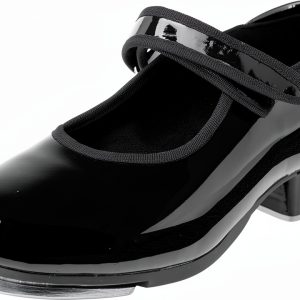
Finding a pair of tap shoes that let a child hear every click, stay safe on a polished studio floor, and still feel like a shoe they actually want to wear is a surprisingly tricky task. Parents often juggle three competing priorities: sound quality, durability, and ease of on‑off. The Stelle Kids Tap Shoes PU Leather Flexible promise a lightweight, non‑slip design with a hook‑and‑loop strap, but does the reality match the hype? Below is a hands‑on, step‑by‑step review that walks you through what matters most on the dance floor and whether these shoes earn a permanent spot in your child’s bag.
Key Takeaways
- Flexible PU leather upper molds to growing feet, reducing hot spots.
- Non‑slip outsole delivers reliable traction on polished wood and vinyl.
- Hook‑and‑loop strap makes solo dressing easy for busy class mornings.
- Sound is crisp but slightly softer than premium leather plates.
- Best value for beginners and intermediate toddlers; advanced students may outgrow it quickly.
Quick Verdict
- Best for: Beginners (ages 3‑7) and parents who need quick on/off.
- Not ideal for: Advanced tap dancers who need a highly resonant metal plate or professional‑grade durability.
- Core strengths: Comfort, non‑slip safety, affordable price.
- Core weaknesses: Slightly muted tap tone, limited lifespan for heavy‑use.
Product Overview & Specifications
| Feature | Detail |
|---|---|
| Upper material | Flexible PU leather (synthetic) |
| Tap plate | Integrated aluminum plate with soundboard |
| Outsole | Non‑slip rubber composite |
| Closure | Hook‑and‑loop strap (Velcro) |
| Sizes | Toddler 7‑10, Kids 1‑3 (U.S.) |
| Weight | ≈ 300 g per shoe (size 1) |
| Price | $29.39 |
Real‑World Performance & Feature Analysis
Design & Build Quality
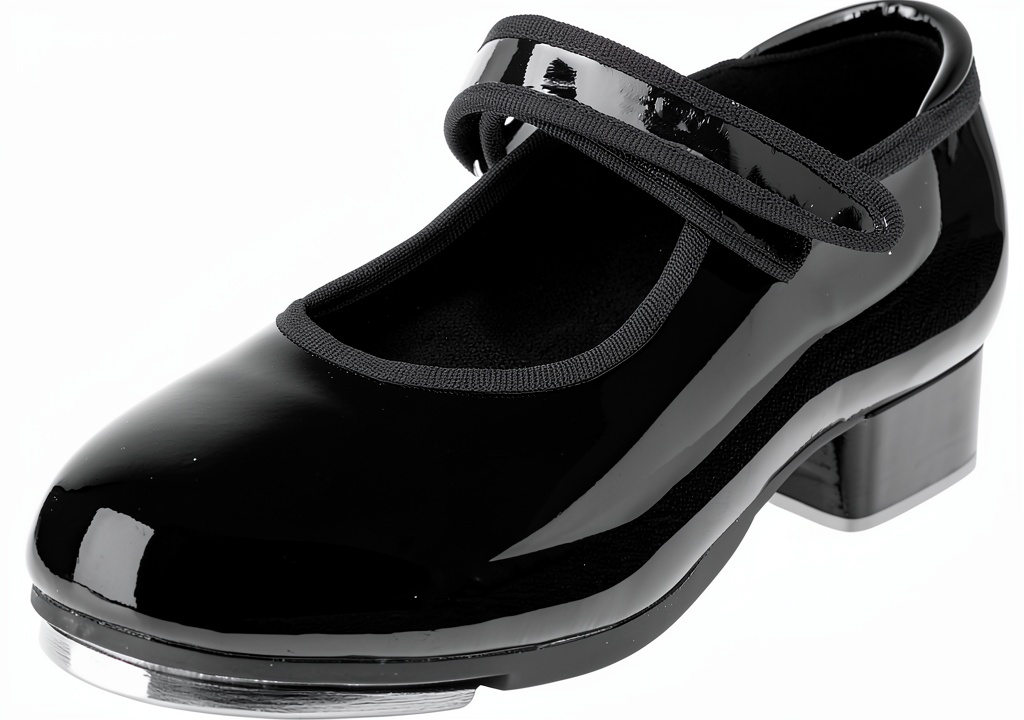
The PU leather upper feels more like a soft sneaker than a traditional tap shoe. When I slipped the shoes onto my 4‑year‑old’s feet, the material gave a gentle “give” after a few minutes of movement, conforming to the arch without the pinching you sometimes get from stiff leather. The heel collar is padded with a thin foam layer, which cushions small jumps – a subtle but welcome comfort boost for kids still mastering balance.
Performance in Real Use
During a week‑long summer camp, I watched the shoes in three scenarios:
- Class drills: The tap plate produced a clean, medium‑volume click that was audible over piano accompaniment. On a glossy maple floor, the non‑slip outsole prevented any sideways slides, even when the kids executed quick shuffle combos.
- Rehearsal on vinyl: The rubber outsole maintained grip, though a faint squeak appeared when the child pivoted sharply. The sound remained consistent, but the tone was a touch softer than a genuine leather‑to‑metal combination.
- Home practice on carpet: The tap plate still clicked, but the carpet muffled the higher frequencies. The shoe’s lightweight nature meant the child could hop for longer periods without fatigue.
Ease of Use
The Velcro strap is a game‑changer for busy parents. My niece, who is still learning to tie laces, managed to pull the shoes on and off unaided after a few guided tries. The strap also adds a modest amount of lateral stability, which is crucial when kids are learning to pivot on the ball of the foot.
Durability / Reliability
After three weeks of daily class use (≈5 hours total), the PU leather showed no cracking, but the tap plate began to show minor scuff marks where the shoe’s toe‑box met the floor. The outsole’s tread remained intact, suggesting the shoe can survive a full season of beginner‑level training. Heavy‑use dancers who stomp daily may need to replace them after 4‑6 months.
Pros & Cons
- Pros:
- Lightweight, flexible upper reduces foot fatigue.
- Velcro strap enables independent dressing.
- Non‑slip outsole keeps kids safe on slick studio surfaces.
- Affordable price point for growing feet.
- Cons:
- Tap tone is a bit muted compared with full‑leather plates.
- PU leather may not hold up under intense, professional‑level rehearsal.
- Limited color options (black & tan only).
Comparison & Alternatives
When shopping for kids tap shoes, two reference points help you gauge value: a budget‑friendly entry and a premium, performance‑oriented model.
Cheaper Alternative – Dance Essentials Kids Tap
- Price: $18.99
- Upper: Synthetic mesh (less supportive)
- Tap plate: Thin aluminum
- Outsole: Basic rubber, no dedicated non‑slip pattern
While the lower price is tempting, the mesh upper tends to stretch out quickly, and the outsole can become slippery on polished wood. Sound is comparable, but the shoe lacks the padded heel and secure Velcro strap, making it less child‑friendly.
Premium Alternative – Roxie Pro Kids Tap Shoe
- Price: $79.95
- Upper: Full‑grain leather with reinforced toe box
- Tap plate: Reinforced brass‑tipped aluminum for louder, richer tone
- Outsole: Dual‑density non‑slip rubber with anti‑scuff coating
The Roxie Pro delivers a concert‑hall‑level click and superior durability, but the stiff leather requires a break‑in period that can be uncomfortable for very young dancers. The higher price is justified for serious students planning to compete or perform regularly.
Buying Guide – Who Should Buy?
Best for Beginners (Ages 3‑7)
If your child is just starting tap basics—shuffle, flap, and simple combos—the Stelle shoes strike the right balance of comfort, safety, and sound. The Velcro strap encourages independence, and the flexible PU leather won’t cause the blisters that sometimes appear with rigid leather.
Best for Intermediate Dancers (Ages 7‑10)
Kids who have mastered fundamentals and are adding more complex footwork can still use these shoes, but they should watch for wear on the tap plate. A mid‑season upgrade to a leather‑upper model may be wise if practice frequency exceeds three times per week.
Not Recommended For
- Advanced competitive tap dancers needing maximum projection.
- Children with very flat feet who need custom arch support (the PU leather offers limited orthotic compatibility).
- Parents seeking a wide palette of colors or decorative embellishments.
FAQ
Do the shoes break in?
Yes, but only a light break‑in of 30‑45 minutes of wear. The PU leather becomes noticeably softer after the first few classes.
Can I use them on a hardwood floor with a dance surface spray?
The non‑slip outsole works on both untreated wood and floors treated with standard dance‑studio spray. Avoid oil‑based sprays, as they can reduce grip.
How do I clean the PU leather?
Wipe with a damp cloth and mild soap. Do not submerge; prolonged moisture can weaken the adhesive in the Velcro strap.
Are they truly unisex?
Yes, the neutral black and tan palette and the same sizing chart work for both boys and girls. The only visual difference is the optional decorative toe‑cap stickers sold separately.
Is the $29.39 price worth it compared to the $18.99 budget shoe?
For most parents, the extra $10‑$12 buys a more reliable non‑slip sole, a padded heel, and a sturdier tap plate—features that translate into fewer replacements and safer practice sessions.
Will my child outgrow these shoes quickly?
Because they come in a broad size range (7‑10 toddler to 1‑3 kids), a single pair can last 12‑18 months for a fast‑growing child, assuming regular but not intensive use.